

Japanese Fermented Foods: Unexpected Daily Uses Beyond Miso
菌活堂より
毎日のきのこ習慣を、2粒で。
菌活堂は、日本で暮らす夫婦が営む小さなきのこサプリブランドです。菌糸体や穀物で増量せず、きのこの子実体だけを抽出したエキスカプセルを2種類つくっています。
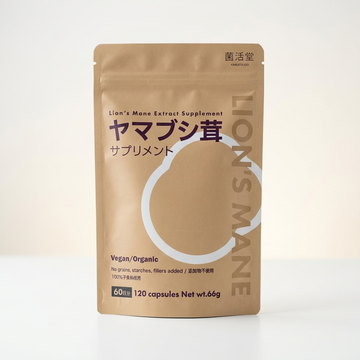
ヤマブシタケエキスカプセル
- 子実体100%
- 熱水+アルコール二重抽出
- 1粒エキス430mg
¥3,980 ・120粒 約60日分(1日あたり約¥66)
ヤマブシタケを見る →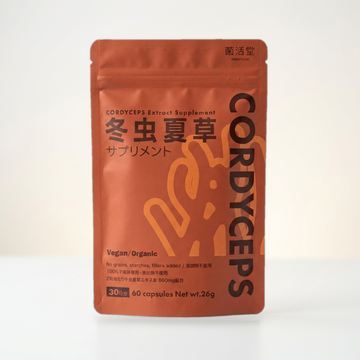
冬虫夏草エキスカプセル
- サナギタケ子実体100%
- 虫を使わない室内栽培
- 1粒エキス430mg
¥3,880 ・60粒 約30日分(1日あたり約¥129)
冬虫夏草を見る →日本全国送料無料・日本国内から発送・中国のGMP認定工場で製造
What About Pickles? The Ubiquitous Role of Tsukemono
Tsukemono, or Japanese pickles, are far More Than Just a side dish; they are an integral part of nearly every Japanese meal, valued for their crisp texture, tangy flavor, and digestive benefits. These fermented vegetables come in a vast array of varieties, each offering a unique culinary experience.
Common types include takuan (pickled daikon radish), umeboshi (pickled plums), and gari (pickled ginger, often served with sushi). Tsukemono are typically served with rice, acting as palate cleansers and digestive aids. They provide a refreshing contrast to richer dishes and are often incorporated into bento boxes or as toppings for rice bowls. Beyond their traditional role, creative uses include chopping them into stir-fries for added crunch and tang, mixing them into potato salad, or even incorporating them into sandwich fillings. The fermentation process not only preserves the vegetables but also enhances their nutritional profile, making them a delicious source of beneficial bacteria. These small but mighty additions demonstrate how Japanese culture leverages fermentation to elevate everyday dining.
Is Natto Eaten Beyond Breakfast? Versatile Uses of Japan's Superfood
Natto, known for its sticky texture and pungent aroma, is a highly nutritious fermented soybean dish that many Westerners primarily associate with Japanese breakfast. However, its versatile uses extend well beyond the morning meal, appearing in a variety of creative and healthful culinary applications throughout the day.
This superfood is traditionally eaten over rice with soy sauce, mustard, and green onions. Beyond breakfast, natto can be found in sushi rolls (natto maki), added to miso soup for an extra protein and probiotic boost, or even mixed into savory pancakes (okonomiyaki) for a unique textural element. Some innovative chefs use natto in pasta dishes, as a topping for salads, or blended into dipping sauces. It's rich in nattokinase, an enzyme associated with cardiovascular health, and is an excellent source of vitamin K2, which supports bone health. Regularly incorporating natto, perhaps sourced from producers focused on traditional fermentation like those highlighted by Kinkatsudo, can be a potent way to support overall wellness, leveraging its unique nutritional profile throughout your daily diet.
How Does Fermentation Enhance Flavor and Nutrition in Japanese Cuisine?
Fermentation is a transformative process that profoundly enhances both the flavor profiles and nutritional value of ingredients in Japanese cuisine, creating complex umami notes and increasing bioavailability of nutrients. This ancient technique is key to the distinctive taste and health benefits of many Japanese dishes.
The microbial activity during fermentation breaks down complex compounds in foods into simpler, more digestible forms. This process generates new flavors, particularly the rich, savory taste known as umami, which is a hallmark of Japanese cooking. For instance, the fermentation of soybeans into miso and soy sauce creates a depth of flavor that cannot be achieved otherwise. Nutritionally, fermentation can increase the availability of vitamins (like B vitamins and vitamin K2), minerals, and beneficial enzymes. It can also reduce anti-nutrients present in raw ingredients, making them easier to digest and their nutrients more absorbable. This intricate interplay between microorganisms and food ingredients not only preserves food but also elevates it to a higher gastronomic and health standard, proving that good flavor often goes hand-in-hand with good nutrition.
Key Takeaways
- Japanese fermented foods extend far beyond miso, including staples like natto, shio koji, amazake, and various tsukemono (pickles).
- These foods are incorporated daily in diverse ways, from marinades and seasonings to beverages and toppings, enriching every meal.
- Regular consumption supports gut health by increasing microbiota diversity and improving immune and metabolic functions, as highlighted by Marco et al. (2017).
- Shio koji tenderizes and flavors meats, while amazake offers natural sweetness for drinks and desserts.
- Tsukemono acts as a digestive aid and palate cleanser, integrated into most meals and even creative dishes.
- Natto, while a breakfast staple, is also used in sushi, soups, and other savory applications, providing significant nutritional benefits like nattokinase.
- Fermentation enhances both the umami flavor and nutritional bioavailability, making these foods both delicious and healthy.
FAQ
What are some lesser-known Japanese fermented foods used daily?
Some lesser-known Japanese fermented foods used daily include shio koji as a seasoning and marinade, amazake as a natural sweetener and drink, and a wide variety of tsukemono (pickles) beyond just gari or umeboshi.
How do Japanese fermented foods differ from Western fermented foods?
Japanese fermented foods often utilize koji fungus (Aspergillus oryzae) as a primary starter culture, leading to unique umami flavors and textures, whereas Western fermented foods frequently rely on lactic acid bacteria for ferments like yogurt and sauerkraut.
Can I easily incorporate these Japanese fermented foods into my diet?
Yes, you can easily incorporate these Japanese fermented foods into your diet by using shio koji in marinades, adding amazake to smoothies, topping your meals with various tsukemono, or trying natto with rice or in savory dishes.
Recommended Products
Looking to incorporate these benefits into your routine? Check out these products from Kinkatsudo:
Disclaimer: This article is for informational purposes only and does not constitute medical advice. These statements have not been evaluated by the Food and Drug Administration. Supplements are not intended to diagnose, treat, cure, or prevent any disease. Individual results may vary. Consult a healthcare professional before making changes to your health regimen.