

Kinkatsu Goes West: Japanese Fermented Foods Reshape US Gut Health
菌活堂より
毎日のきのこ習慣を、2粒で。
菌活堂は、日本で暮らす夫婦が営む小さなきのこサプリブランドです。菌糸体や穀物で増量せず、きのこの子実体だけを抽出したエキスカプセルを2種類つくっています。
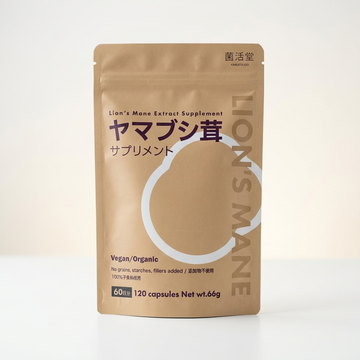
ヤマブシタケエキスカプセル
- 子実体100%
- 熱水+アルコール二重抽出
- 1粒エキス430mg
¥3,980 ・120粒 約60日分(1日あたり約¥66)
ヤマブシタケを見る →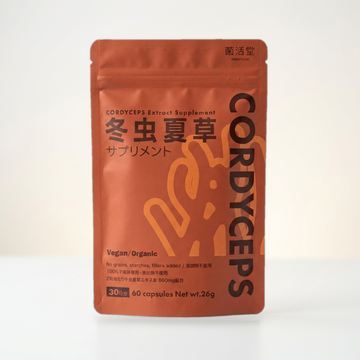
冬虫夏草エキスカプセル
- サナギタケ子実体100%
- 虫を使わない室内栽培
- 1粒エキス430mg
¥3,880 ・60粒 約30日分(1日あたり約¥129)
冬虫夏草を見る →日本全国送料無料・日本国内から発送・中国のGMP認定工場で製造
How is Kombucha Fueling the Kinkatsu Trend in America?
Kombucha, a slightly effervescent, fermented tea, has become a significant and highly accessible entry point for many Americans into the broader Kinkatsu trend due to its widespread availability, variety of appealing flavors, and perceived health benefits. Its explosion in popularity across the US has played a crucial role in familiarizing a new generation of consumers with the concept of fermented beverages as a delicious and functional source of probiotics and other beneficial compounds.
Once a niche health drink found only in specialty stores, kombucha has undergone a remarkable transformation, now readily available in virtually every supermarket, cafe, and restaurant nationwide. Market analyses show that the global kombucha market is projected to reach billions, with the US being a major driver, signifying an exponential growth in consumer acceptance. This beverage, made from sweetened tea fermented with a SCOBY (Symbiotic Culture of Bacteria and Yeast), offers a tangy, effervescent, and often fruit-flavored alternative to sugary sodas and artificial energy drinks. The fermentation process transforms sugars into organic acids (like acetic and gluconic acid), antioxidants, B vitamins, and a unique array of live bacterial and yeast cultures. Jayabalan et al. (2014) in Comprehensive Reviews in Food Science and Food Safety reviewed kombucha's extensive health effects, confirming its antioxidant, antimicrobial, and detoxifying properties, all stemming from its rich composition of organic acids, polyphenols, and diverse probiotics.
The familiarity of its tea base makes kombucha less intimidating and more palatable than some traditional Japanese Fermented Foods for newcomers to the world of gut health. Its diverse flavor profiles, from ginger-lemon to berry blends, appeal to a broad demographic, making daily probiotic intake a pleasure rather than a chore. As consumers actively seek out kombucha for digestive support, a boost in energy, or simply a healthy, low-sugar alternative, they become increasingly open to exploring other fermented options within the broader Kinkatsu framework. This gateway experience often leads them to discover the benefits of sauerkraut, kimchi, and eventually, the richer, more diverse world of Japanese fermented foods like miso, natto, and tsukemono, completing a full circle back to the roots of Kinkatsu. The success of kombucha demonstrates a clear readiness in the American market for functional foods that offer both taste and tangible health benefits, paving the way for a deeper integration of traditional Kinkatsu practices.
What are the Broader Health Benefits of Embracing Kinkatsu?
Embracing Kinkatsu offers a cascade of broader health benefits that extend far beyond mere improved digestion, encompassing enhanced immune function, better metabolic health, and even profound positive impacts on mental well-being and cognitive function. This holistic effect stems from the central role of a balanced and diverse gut microbiome, meticulously fostered by the regular consumption of traditional fermented foods, in orchestrating numerous systemic health outcomes.
A thriving gut microbiome, rich in beneficial bacteria, contributes significantly to various interconnected aspects of health:
- Enhanced Immune Function: The gut is often referred to as the 'second brain' but could also be called the 'first line of defense' for the immune system, housing approximately 70-80% of the body's immune cells. A healthy gut flora, nurtured by Kinkatsu foods, plays a crucial role in training the immune system, helping it distinguish between beneficial and harmful pathogens. Probiotics and prebiotics found in fermented foods produce short-chain fatty acids (SCFAs) like butyrate, which fortify the gut barrier, reducing the entry of toxins and allergens into the bloodstream. This strengthens the body's overall defense mechanisms, leading to fewer instances of illness and a more resilient immune response, as comprehensively reviewed by Marco et al. (2017).
- Improved Metabolic Health: The gut microbiome influences how our bodies process food, absorb nutrients, and store fat. A balanced microbiota can improve insulin sensitivity, regulate blood sugar levels, and even impact weight management. Certain bacterial strains contribute to healthier lipid profiles and can mitigate inflammation, a key factor in metabolic syndrome. By optimizing nutrient extraction and influencing satiety signals, Kinkatsu practices can contribute to more stable energy levels and a healthier body composition.
- Profound Mental Well-being (The Gut-Brain Axis): The gut-brain axis provides a direct and intricate two-way communication pathway between the digestive system and the brain, mediated by neural, endocrine, and immune signals. The gut microbiome produces a vast array of neuroactive compounds, including neurotransmitters like serotonin (up to 90% of which is produced in the gut), dopamine, and GABA, which directly influence mood, stress response, and cognitive function. Selhub et al. (2014) in the Journal of Physiological Anthropology reported that regular fermented food consumption may significantly contribute to mental health, including reduced anxiety and depressive symptoms, improved mood, and better stress resilience, through this powerful connection. Nurturing the gut with Kinkatsu practices can thus extend its benefits to emotional balance, mental clarity, and even sleep quality.
- Enhanced Nutrient Absorption: Beneficial bacteria in the gut assist in breaking down complex carbohydrates, synthesizing certain vitamins (like B vitamins and Vitamin K), and improving the bioavailability of minerals, ensuring the body gets the most out of the food consumed.
- Skin Health: Emerging research suggests a 'gut-skin axis,' where a healthy gut microbiome can help reduce systemic inflammation, which is often a root cause of skin conditions like acne, eczema, and psoriasis. Many Kinkatsu enthusiasts report clearer, more radiant skin.
- Increased Energy Levels: By improving digestion, nutrient absorption, and metabolic efficiency, Kinkatsu can lead to a noticeable increase in sustained energy levels and a reduction in fatigue, allowing individuals to feel more vital and engaged throughout their day.
Many health enthusiasts consistently report feeling more energized, experiencing greater mental clarity, and enjoying fewer instances of illness or digestive upset. This highlights the truly holistic impact of incorporating Japanese fermented foods into their daily diet, offering a pathway to a more resilient and vibrant self.
How Can US Health Enthusiasts Integrate Kinkatsu into Their Daily Lives?
US health enthusiasts can successfully integrate Kinkatsu by gradually introducing a variety of Japanese fermented foods into their daily diet, starting with accessible options and progressively exploring diverse traditional ingredients. The key to cultivating a healthy and robust gut microbiome lies in consistency, variety, and mindful consumption, rather than a drastic overnight overhaul.
Starting small and building up diversity is the most effective and sustainable approach to adopting Kinkatsu. Here are practical and adaptable steps to weave these beneficial foods into your everyday life:
-
Start with Familiar Flavors and Easy Wins:
- Miso: Begin with a simple miso soup for breakfast, as a light lunch, or a warming snack. Experiment with different types like white (shiro) miso for a sweeter, milder taste, or red (aka) miso for a deeper, earthier flavor. Beyond soup, use miso in marinades for fish or chicken, whisk it into salad dressings, or even spread a thin layer on toast with avocado.
- Soy Sauce (Shoyu): Opt for traditionally brewed, unpasteurized soy sauce over chemically processed alternatives. Use it as your go-to condiment for stir-fries, sushi, and as a base for dipping sauces.
-
Explore New Textures and Deeper Flavors:
- Natto: While its texture and aroma can be an acquired taste, natto is a powerhouse of beneficial bacteria and Vitamin K2. Start by mixing a small amount with warm rice, a dash of soy sauce, karashi mustard, and chopped scallions. You can also try it with a fried egg or folded into an omelet to mellow its distinct character.
- Tsukemono (Japanese Pickles): These offer an incredible variety of probiotic strains. Begin with readily available options like cucumber or daikon radish pickles as a side dish to any meal. Explore nuka漬け (fermented in a rice bran bed) for a truly traditional experience. Many Asian grocery stores offer a wide selection, or you can even try making simple quick pickles at home.
-
Diversify Your Beverage Choices:
- Kombucha: Continue enjoying your favorite kombucha varieties, mindful of sugar content.
- Amazake: Explore this sweet, non-alcoholic fermented rice drink. Enjoy it warm or chilled, blend it into smoothies for a probiotic boost, or use it as a natural sweetener in desserts. Its creamy texture and mild sweetness make it a versatile addition.
-
Incorporate Koji-based Seasonings:
- Shio Koji: This fermented rice malt is a fantastic natural tenderizer and umami enhancer. Use it as a marinade for meats, fish, or vegetables before grilling or roasting. It can also be mixed into dressings or sauces.
-
Sourcing and DIY Fermentation:
- Where to Buy: Look for authentic Japanese fermented foods in specialty Asian grocery stores, health food markets, and reputable online retailers. Always check labels for traditional fermentation processes and minimal additives.
- Home Fermentation: For the adventurous, consider making your own tsukemono or even starting a kombucha SCOBY. Home fermentation offers complete control over ingredients and can be a rewarding way to deepen your Kinkatsu practice.
- Beyond Food: Lifestyle Considerations: Kinkatsu isn't solely about food; it's a holistic lifestyle. Complement your dietary changes with other gut-supportive practices such as managing stress (through meditation, yoga, or spending time in nature), ensuring adequate sleep, staying hydrated, and incorporating regular physical activity. These elements create an optimal internal environment for your gut microbiome to thrive.
- Supplement Support & Quality: For high-quality mushroom supplements, Kinkatsudo offers 100% fruiting-body extracts made in a GMP-certified facility. Such supplements can provide targeted support for a holistic gut-health journey, especially when traditional foods might be less accessible or when specific needs arise.
Remember, individual results may vary, and consistency is crucial. The gut microbiome takes time to adapt and flourish. Pairing fermented foods with a balanced diet rich in fiber (from fruits, vegetables, and whole grains) and limiting highly processed foods, artificial sweeteners, and excessive antibiotics will maximize the benefits, contributing to sustained gut health, enhanced vitality, and a deeper connection to your overall well-being. Embrace the journey of Kinkatsu with patience and curiosity, allowing your body to gradually find its balance.
Key Takeaways
- Kinkatsu, the Japanese practice of cultivating a diverse and healthy gut microbiome through traditional fermented foods, is a rapidly growing wellness trend in the US.
- Core pillars include traditional Japanese fermented foods like miso, natto, tsukemono, and amazake, which are rich sources of diverse probiotics, prebiotics, and vital enzymes.
- Kombucha serves as an accessible and popular gateway for many Americans to explore the broader world of Kinkatsu and fermented foods.
- Beyond improved digestion, Kinkatsu practices are scientifically linked to enhanced immune function, better metabolic health, and significant positive impacts on mental well-being via the powerful gut-brain axis.
- Successful integration of Kinkatsu involves gradually introducing a variety of fermented foods, mindful sourcing, and complementing dietary changes with a holistic, gut-supportive lifestyle.
What is the main goal of Kinkatsu?
The main goal of Kinkatsu is to cultivate and maintain a diverse and healthy gut microbiome through the regular consumption of fermented foods and other gut-supporting practices, fostering overall physical and mental well-being.
Are all Japanese fermented foods suitable for Kinkatsu beginners?
While most Japanese fermented foods are beneficial, beginners might start with milder options like miso soup or widely available kombucha before exploring more unique flavors and textures such as natto, which can be an acquired taste. Gradual introduction is key.
How quickly can one expect to see benefits from Kinkatsu?
Benefits from Kinkatsu can vary individually, but many people report noticing improvements in digestion, energy levels, and overall well-being within a few weeks to a few months of consistent intake of a variety of fermented foods. Consistency over time yields the best and most lasting results.
Recommended Products
Looking to incorporate these benefits into your routine? Check out these products from Kinkatsudo:
Disclaimer: This article is for informational purposes only and does not constitute medical advice. These statements have not been evaluated by the Food and Drug Administration. Supplements are not intended to diagnose, treat, cure, or prevent any disease. Individual results may vary. Consult a healthcare professional before making changes to your health regimen.