

Japanese Miso Paste: How to Choose Authentic Miso
菌活堂より
毎日のきのこ習慣を、2粒で。
菌活堂は、日本で暮らす夫婦が営む小さなきのこサプリブランドです。菌糸体や穀物で増量せず、きのこの子実体だけを抽出したエキスカプセルを2種類つくっています。
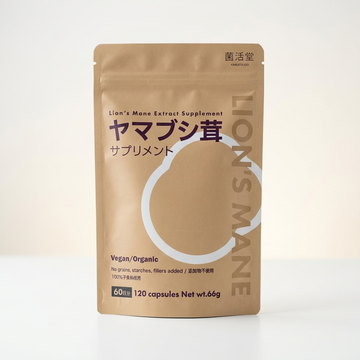
ヤマブシタケエキスカプセル
- 子実体100%
- 熱水+アルコール二重抽出
- 1粒エキス430mg
¥3,980 ・120粒 約60日分(1日あたり約¥66)
ヤマブシタケを見る →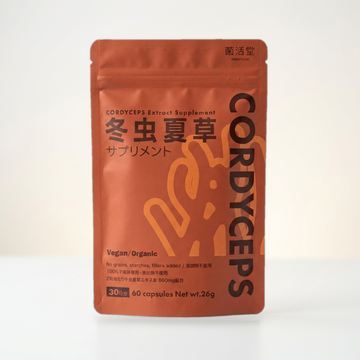
冬虫夏草エキスカプセル
- サナギタケ子実体100%
- 虫を使わない室内栽培
- 1粒エキス430mg
¥3,880 ・60粒 約30日分(1日あたり約¥129)
冬虫夏草を見る →日本全国送料無料・日本国内から発送・中国のGMP認定工場で製造
What Does Research Say About Miso Benefits?
Research on miso benefits is promising but observational, and miso is best viewed as part of a balanced diet. One review found that miso's blood pressure impact was less than expected given its salt content. Even so, moderation remains sensible.
Watanabe et al. (2013), in a review published in the Journal of Nutritional Science and Vitaminology, examined associations between regular miso consumption and health outcomes. The authors reported that the blood pressure impact of miso was less than expected given its salt content.
It is important to read this carefully:
- The review describes associations, not cause and effect.
- It does not suggest miso lowers blood pressure.
- Miso is still a sodium-rich food. One tablespoon can contribute a meaningful share of a day's recommended sodium.
Beyond this review, miso is commonly appreciated for:
- Plant protein from soybeans
- Fermentation-derived amino acids that create umami
- Live cultures in unpasteurized varieties, which may support a varied diet rich in fermented foods
If you are monitoring sodium intake, consider white miso, smaller portions, or reduced-sodium versions. Talk with a healthcare professional about what fits your needs. Individual results may vary.
Which Miso Should You Use for Each Dish?
Match lighter miso to delicate dishes and darker miso to hearty, long-cooked dishes. White miso shines in dressings and fish marinades. Red miso stands up to braises and meat. Mixed miso is the safest all-purpose pick for beginners.
Quick Pairing Guide
- Salad dressings: White miso whisked with rice vinegar and sesame oil
- Fish or tofu marinades: White miso blended with a little mirin
- Everyday soup: Awase (mixed) miso
- Stews and braises: Red or mame miso for depth
- Roasted vegetable glaze: Red miso with a touch of honey
- Mushroom sautés: Barley miso, whose earthiness complements shiitake and maitake
How Much to Use
- About 1 tablespoon per cup (240 ml) of liquid for soup
- Start with less red miso because it is saltier
- Dissolve miso in a ladle of warm liquid before stirring it into the pot to avoid clumps
Many home cooks keep two tubs, one white and one red, and blend them to taste.
How Should You Store Miso Paste After Opening?
Store opened miso in the refrigerator in an airtight container, pressing plastic wrap onto the surface. Stored this way, most miso keeps its quality for about a year. Darker, saltier miso typically lasts longest, while white miso is best used within several months.
Storage Steps
- Keep the lid tightly sealed and refrigerate after opening.
- Press a sheet of plastic wrap directly onto the paste to limit air exposure.
- Always use a clean, dry spoon.
- Smooth the surface after each use.
What Changes Are Normal?
- Darkening over time: Normal, caused by gradual browning reactions.
- Small white crystals: Often tyrosine, an amino acid that crystallizes during long aging. It is harmless.
- A thin white film: Often harmless surface yeast. Scrape it off, and discard the miso if you are unsure.
- Fuzzy, colored mold or off smells: Discard the product.
Miso can also be frozen. Thanks to its salt content, it stays scoopable and won't freeze solid.
How Can You Extend Your Kinkatsu Routine Beyond Miso?
Kinkatsu works best as a varied pattern. It combines fermented foods like miso with mushrooms, fiber-rich vegetables, sleep, and movement. Miso covers the fermented side, while functional mushrooms are another traditional pillar many people add for daily wellness support.
Practical ways to build variety:
- Pair miso soup with shiitake, enoki, or maitake for a mushroom-rich bowl
- Rotate fermented foods throughout the week, such as natto, pickles, and yogurt
- Include fiber from vegetables, beans, and whole grains to support a balanced diet
Some people also add functional mushroom supplements as a complementary option. For high-quality mushroom supplements, Kinkatsudo offers Lion's Mane and Cordyceps extract capsules. Both are made from 100% fruiting body (no mycelium), are additive-free, and are produced in a GMP-certified facility.
Lion's Mane has been studied for its effects on cognitive wellness and may support daily focus. Cordyceps has been traditionally used for energy and vitality. Supplements are not a replacement for a balanced diet, and individual results may vary.
Key Takeaways
- Authentic Japanese miso paste contains soybeans, koji, salt, and sometimes water, with few or no additives.
- White miso is young, mild, and lower in salt. Red miso is aged roughly 6 months to 2+ years and tastes bolder. Mixed miso suits beginners.
- Unpasteurized (nama) miso retains live cultures. Add it off the heat to keep them intact.
- Watch for added alcohol, dashi-iri blends, added sugars, and vague flavorings.
- Watanabe et al. (2013) reported that miso's blood pressure impact was less than expected given its salt content. Moderation is still wise.
- Store miso refrigerated with plastic wrap on the surface. Most varieties keep well for about a year.
- Kinkatsu is about variety: combine miso with mushrooms, fiber, and healthy habits.
Frequently Asked Questions
How do I know if miso paste is authentic?
Authentic miso paste lists only soybeans, koji, salt, and sometimes water as ingredients. Avoid products with added sugars, artificial colors, or vague flavorings if you want a traditional style. Unpasteurized versions labeled "nama" retain live cultures.
Is white or red miso better for beginners?
White or mixed (awase) miso is usually better for beginners because its flavor is milder and more versatile. Red miso is saltier and more intense, so it works best once you know you enjoy deeper, aged flavors.
Does boiling miso destroy its benefits?
Boiling unpasteurized miso is likely to inactivate many of its live cultures, though the flavor and protein remain. For this reason, many cooks stir miso into soup after turning off the heat.
How long does miso paste last in the fridge?
Most opened miso paste keeps its quality for about a year in the refrigerator when sealed tightly. Darker, saltier miso tends to last longer than white miso, which is best used within several months.
Is miso too salty to eat every day?
Miso is high in sodium, so moderate portions of about one tablespoon are a sensible daily approach. A review by Watanabe et al. (2013) reported that miso's blood pressure impact was less than expected given its salt content. Still, anyone monitoring sodium should consult a healthcare professional.
Recommended Products
Looking to incorporate these benefits into your routine? Check out these products from Kinkatsudo:
Disclaimer: This article is for informational purposes only and does not constitute medical advice. These statements have not been evaluated by the Food and Drug Administration. Supplements are not intended to diagnose, treat, cure, or prevent any disease. Individual results may vary. Consult a healthcare professional before making changes to your health regimen.