

Kimchi vs Kombucha vs Kefir: Which Fermented Food is Best for Gut Health?
菌活堂より
毎日のきのこ習慣を、2粒で。
菌活堂は、日本で暮らす夫婦が営む小さなきのこサプリブランドです。菌糸体や穀物で増量せず、きのこの子実体だけを抽出したエキスカプセルを2種類つくっています。
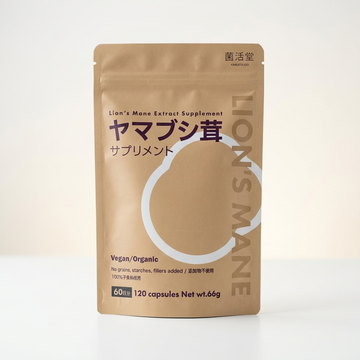
ヤマブシタケエキスカプセル
- 子実体100%
- 熱水+アルコール二重抽出
- 1粒エキス430mg
¥3,980 ・120粒 約60日分(1日あたり約¥66)
ヤマブシタケを見る →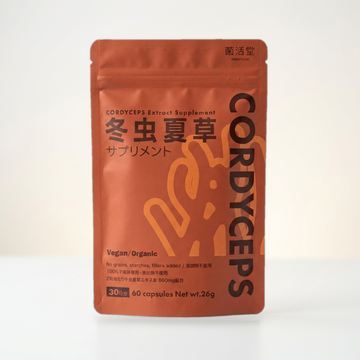
冬虫夏草エキスカプセル
- サナギタケ子実体100%
- 虫を使わない室内栽培
- 1粒エキス430mg
¥3,880 ・60粒 約30日分(1日あたり約¥129)
冬虫夏草を見る →日本全国送料無料・日本国内から発送・中国のGMP認定工場で製造
Homemade vs. Store-Bought: Which Fermented Foods are Better?
Both homemade and store-bought fermented foods offer benefits, but they also have their pros and cons. Here's a breakdown to help you decide which is better for you:
-
Homemade:
- Pros: Control over ingredients (organic, local), potentially higher probiotic content, cost-effective in the long run, rewarding and educational process.
- Cons: Requires time and effort, potential for contamination if not careful, variability in results, initial investment in equipment (jars, cultures).
-
Store-Bought:
- Pros: Convenient and readily available, consistent quality, variety of flavors and brands, no need for specialized equipment.
- Cons: Can be expensive, may contain added sugars and preservatives, probiotic content may vary, less control over ingredients.
Ultimately, the best choice depends on your lifestyle, preferences, and budget. If you have the time and interest, making your own fermented foods can be a fun and rewarding experience. However, if you're short on time or prefer convenience, store-bought options can still provide valuable probiotic benefits.
Which Fermented Food is Right for You?
The best fermented food for you depends on your individual preferences, dietary needs, and health goals. Kimchi, kombucha, and kefir offer distinct benefits, making them suitable for different people.
- Choose Kimchi if: You enjoy spicy food, want a low-sugar option, are looking for a vegetable-based source of probiotics, and are interested in potentially boosting your immune support. It’s also a good source of fiber from the vegetables, which promotes digestive health. Those following a vegan diet will also find kimchi to be a great fit.
- Choose Kombucha if: You prefer a fizzy, refreshing drink, want a lower-calorie option (be mindful of added sugars), enjoy the taste of tea, and are looking for a potential alternative to sugary sodas. Kombucha can also be a good option for those looking for a caffeine boost. Look for brands that use natural sweeteners and lower sugar content.
- Choose Kefir if: You want a creamy, high-protein option, prefer dairy-based probiotics (or water-based if using water kefir), are looking to support bone health and consume calcium, and need a more filling and substantial snack. Kefir's higher protein content can help you feel fuller for longer, making it a great choice for those trying to manage their weight.
Consider your dietary restrictions and allergies. Kimchi may contain shellfish or fish sauce, kombucha may contain trace amounts of alcohol, and traditional kefir is dairy-based. Always read labels carefully and choose products that align with your individual needs.
Incorporating a variety of fermented foods into your diet can offer a broader range of probiotic strains and nutrients, potentially benefiting your gut microbiome in different ways.
Remember that consistency is key. Regular consumption of fermented foods is more likely to yield positive effects than sporadic consumption. Listen to your body and adjust your intake as needed.
How Can You Incorporate Fermented Foods Into Your Diet?
Adding fermented foods to your diet is simple and can be quite delicious. Here are some tips:
- Start Slowly: Introduce fermented foods gradually to avoid digestive discomfort. Begin with small servings and increase as your body adjusts. This allows your gut microbiome to adapt to the new probiotics.
- Experiment with Different Options: Try different types of kimchi, kombucha flavors, and kefir varieties to find what you enjoy most. Variety is the spice of life, and it can also help you get a wider range of probiotic strains.
- Incorporate into Meals: Add kimchi to tacos or scrambled eggs, drink kombucha with lunch, or have kefir as a snack or breakfast. Get creative with how you incorporate fermented foods into your existing meals.
- Be Mindful of Sugar Content: Choose low-sugar options of kombucha and kefir, or opt for unsweetened varieties and add your own natural sweeteners. Excessive sugar can negate the benefits of probiotics.
- Read Labels: Pay attention to the ingredients and nutritional information to make informed choices. Look for products with live and active cultures and minimal additives.
Fermented foods can be a versatile and flavorful addition to your diet, offering a range of potential wellness benefits for your gut and overall well-being.
What are the Potential Side Effects of Eating Fermented Foods?
While fermented foods are generally safe for most people, some individuals may experience side effects, especially when first introducing them into their diet. These side effects are often mild and temporary.
- Digestive Discomfort: Some people may experience bloating, gas, or diarrhea when they start eating fermented foods. This is usually due to the changes occurring in the gut microbiome. Starting slowly and gradually increasing your intake can help minimize these effects.
- Histamine Sensitivity: Fermented foods are high in histamine, which some individuals may find problematic if they have histamine sensitivities. Effects might include headaches or skin reactions. If you suspect you have histamine sensitivity, consult with a healthcare professional.
- Allergic Reactions: Although rare, allergic reactions to ingredients in fermented foods (such as dairy, soy, or specific vegetables) are possible. Always read labels carefully and be aware of any potential allergens.
- Interactions with Medications: Certain fermented foods may interact with some medications. It’s always best to consult with a healthcare professional if you have any concerns. For example, some fermented foods may interact with blood thinners.
If you experience persistent or severe effects after eating fermented foods, discontinue consumption and consult with a healthcare professional.
Key Takeaways
- Fermented foods like kimchi, kombucha, and kefir are excellent sources of probiotics and beneficial nutrients.
- Kimchi is a spicy, vegetable-based option rich in *Lactobacillus* strains and fiber.
- Kombucha is a fizzy tea drink containing probiotics and antioxidants.
- Kefir is a creamy, dairy-based drink (or water-based alternative) with a diverse range of probiotics and bone-supporting nutrients.
- The best choice depends on your individual preferences, dietary needs, and health goals.
- Start slowly when introducing these to your diet to avoid digestive discomfort.
- Consider both homemade and store-bought options, weighing the pros and cons of each.
FAQ
Can I eat fermented foods every day?
Yes, you can eat fermented foods every day, and many people find it beneficial for their gut. Starting with small servings is generally recommended to assess tolerance.
Are there any potential considerations associated with eating fermented foods?
While generally safe, some people may experience mild digestive discomfort, such as bloating or gas, when first introducing fermented foods into their diet. Individuals with histamine sensitivities should approach fermented foods with caution.
How much fermented food is a good amount to consume per day?
The ideal amount varies from person to person, but aiming for at least one serving per day is a reasonable starting point. A serving could be a cup of kefir, a small bowl of kimchi, or a glass of kombucha. Listen to your body and adjust accordingly.
Can I make fermented foods at home?
Yes, you can make many fermented foods at home, including kimchi, kombucha, and kefir. There are numerous resources available online and in libraries that provide detailed instructions and recipes. Ensure you follow proper safety guidelines to avoid contamination. For example, sterilize your jars and use clean utensils.
Are all fermented foods created equal?
No, not all fermented foods are created equal. The probiotic content and nutritional value can vary depending on the fermentation process, the ingredients used, and the specific strains of bacteria and yeast involved. Look for high-quality products with minimal additives. Read the labels carefully and choose brands you trust.
If I don't like the taste of these foods, are there other options?
Yes! There are many other fermented foods to explore, like sauerkraut, miso, tempeh, natto, yogurt, and even traditionally made sourdough bread. Each offers its own unique flavor profile and probiotic benefits, so you can find something that suits your taste. Don't be afraid to experiment and discover new fermented foods that you enjoy.
Recommended Products
Looking to incorporate these benefits into your routine? Check out these products from Kinkatsudo:
This product is not intended to diagnose, treat, cure, or prevent any disease.