

Japanese Fermented Foods List for a Happier Gut
菌活堂より
毎日のきのこ習慣を、2粒で。
菌活堂は、日本で暮らす夫婦が営む小さなきのこサプリブランドです。菌糸体や穀物で増量せず、きのこの子実体だけを抽出したエキスカプセルを2種類つくっています。
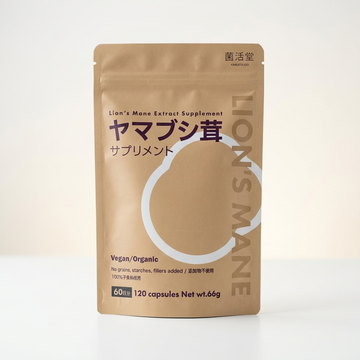
ヤマブシタケエキスカプセル
- 子実体100%
- 熱水+アルコール二重抽出
- 1粒エキス430mg
¥3,980 ・120粒 約60日分(1日あたり約¥66)
ヤマブシタケを見る →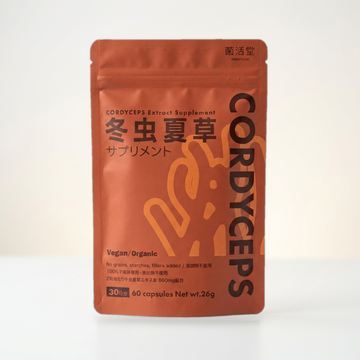
冬虫夏草エキスカプセル
- サナギタケ子実体100%
- 虫を使わない室内栽培
- 1粒エキス430mg
¥3,880 ・60粒 約30日分(1日あたり約¥129)
冬虫夏草を見る →日本全国送料無料・日本国内から発送・中国のGMP認定工場で製造
How Do These Fermented Foods Improve Your Gut Microbiome?
Japanese fermented foods enhance your gut microbiome primarily by increasing its diversity and introducing beneficial microbial strains that aid digestion, nutrient absorption, and immune response. Scientific studies, including those by Marco et al. (2017) and Dimidi et al. (2019), highlight how this rich microbial input positively influences overall gut health and systemic well-being by directly populating the gut with live cultures and nourishing existing beneficial bacteria.
When you consume fermented foods, you're essentially replenishing your gut's supply of beneficial bacteria. This influx of new, diverse microorganisms helps to crowd out less desirable bacteria, creating a more balanced and resilient gut environment. A balanced gut microbiome is vital for numerous bodily functions:
- Digestive Efficiency: Probiotics assist in breaking down food, especially complex carbohydrates and fibers, which can reduce bloating and improve regularity. Dimidi et al. (2019) confirm that regular consumption of fermented foods is effective for digestive health improvement and maintaining gut flora diversity.
- Nutrient Synthesis: Certain gut bacteria produce vitamins, such as B vitamins and Vitamin K, and other beneficial compounds.
- Strengthening the Gut Barrier: A healthy microbiome supports the integrity of the intestinal lining, preventing unwanted substances from entering the bloodstream.
- Modulating Inflammation: A balanced gut can help regulate systemic inflammation, which is linked to various chronic health issues.
While individual results vary, consistently incorporating a range of Japanese Fermented Foods can lead to measurable improvements in digestive comfort and overall vitality. Consider integrating these foods alongside other gut-supportive practices, like consuming sufficient fiber and staying hydrated.
Beyond Digestion: What Is Research Exploring?
Interest in fermented foods goes beyond digestion. Researchers are exploring the gut-brain axis and the gut's role in the body's defenses, but this research is at an early stage, and most findings come from small or non-human studies. Enjoy fermented foods as part of a varied, balanced diet rather than for a specific outcome.
The connection between your gut and your brain, known as the gut-brain axis, is a bidirectional communication system. Your gut microbes produce neuroactive compounds, including neurotransmitters like serotonin, which influence mood and cognitive function. Therefore, a healthy gut can have a profound impact on your mental state.
- Ongoing Research: Reviews such as Marco et al. (2017) summarize research on fermented foods and note that more well-designed human studies are needed.
- Variety: Rotating different fermented foods — miso, natto, pickles, amazake — adds variety in flavor and microbes to your diet.
- Metabolic Health: Some studies suggest that a healthy gut microbiome can influence metabolism, potentially aiding in weight management and blood sugar regulation as part of a balanced diet.
- Antioxidant Properties: The fermentation process can sometimes increase the antioxidant content of foods, helping to protect cells from oxidative stress.
Integrating these powerful foods into your daily routine is a proactive step towards comprehensive well-being, influencing not just how you feel physically but also mentally. For high-quality mushroom supplements, Kinkatsudo offers 100% fruiting-body extracts made in a GMP-certified facility.
Key Takeaways
- Japanese fermented foods are rich in probiotics, essential for a diverse and healthy gut microbiome.
- Staples like miso, natto, amazake, tsukemono, and shio koji offer unique beneficial bacteria and enzymes.
- Fermented foods are a flavorful way to add variety to your diet; research on their health effects, reviewed by Dimidi et al. (2019) and Marco et al. (2017), is ongoing.
- Researchers are exploring the gut-brain axis, but this research is at an early stage.
- Choose unpasteurized varieties where possible to maximize live probiotic intake.
FAQ
What are probiotics, and why are they important for gut health?
Probiotics are live microorganisms, primarily bacteria and yeasts, that provide health benefits when consumed in adequate amounts, particularly for your digestive system. These beneficial microbes help maintain a balanced gut microbiome, aiding in digestion, nutrient absorption, and supporting immune function, and can be found naturally in fermented foods.
How quickly can I expect to see benefits from eating Japanese fermented foods?
There's no set timeline. Fermented foods are everyday foods, so the best approach is to enjoy them consistently as part of a balanced diet.
Can I get enough probiotics from diet alone, or do I need supplements?
It is certainly possible to obtain a wide array of beneficial bacteria through a diverse diet rich in fermented foods, which often contain a greater variety of strains than many supplements. Supplements can be a convenient option, but integrating a range of fermented foods provides not only probiotics but also other nutrients, enzymes, and a complete food matrix for holistic benefits.
Are all Japanese fermented foods suitable for a low-sodium diet?
No, many Japanese fermented foods, such as miso and soy sauce, are traditionally made with significant amounts of salt for preservation and flavor. However, options like amazake (unsweetened) are naturally lower in sodium, and shio koji can sometimes be used to reduce overall sodium in a dish while maintaining flavor. Always check labels and consult with a healthcare professional regarding dietary restrictions.
Recommended Products
Looking to incorporate these benefits into your routine? Check out these products from Kinkatsudo:
Disclaimer: This article is for informational purposes only and does not constitute medical advice. These statements have not been evaluated by the Food and Drug Administration. Supplements are not intended to diagnose, treat, cure, or prevent any disease. Individual results may vary. Consult a healthcare professional before making changes to your health regimen.