

Kimchi in Kinkatsu: Fermented Food for Gut Harmony
FROM KINKATSUDO
A daily mushroom habit, in two capsules
Kinkatsudo is a small mushroom supplement brand run by a married couple in Japan. We make two extract capsules from mushroom fruiting bodies only, with no mycelium or grain filler.
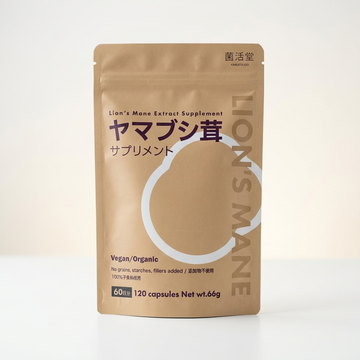
Lion's Mane Extract Capsules
- 100% fruiting body
- Hot water + alcohol extract
- 430 mg extract per capsule
¥3,980 · 120 capsules, about 60 days (about ¥66/day)
See Lion's Mane →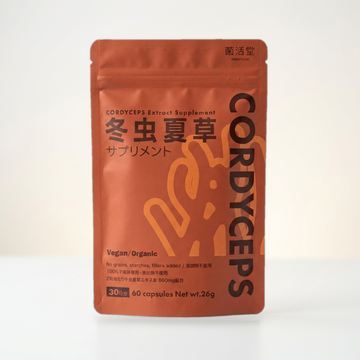
Cordyceps Extract Capsules
- 100% Cordyceps militaris fruiting body
- Grown indoors without insects
- 430 mg extract per capsule
¥3,880 · 60 capsules, about 30 days (about ¥129/day)
See Cordyceps →Free shipping in Japan · Ships from Japan · Made in China in a GMP-certified facility
Kimchi vs. Traditional Japanese Fermented Foods: A Gut Harmony Comparison
While both kimchi and traditional Japanese fermented foods offer significant gut health benefits, their distinct microbial profiles and fermentation processes contribute uniquely to gut harmony. Kimchi, typically made from napa cabbage and a spicy seasoning paste, is known for its high concentration of lactic acid bacteria, including various Lactobacillus species, which thrive in its anaerobic, high-salt, and slightly acidic environment.
In contrast, Japanese fermented foods like miso (soybean paste), natto (fermented soybeans), and tsukemono (pickles) often feature different starter cultures and substrates. Miso relies on koji (Aspergillus oryzae) and various yeast and bacteria for its fermentation, offering a complex amino acid profile and unique umami flavors. Natto is fermented with Bacillus subtilis natto, producing nattokinase (an enzyme known for cardiovascular benefits) and unique short-chain fatty acids. Tsukemono, while also rich in lactic acid bacteria, encompasses a wide variety of vegetables and fermentation methods, leading to diverse microbial communities. Some tsukemono use salt-brining, others rice bran (nukazuke), each yielding different microbial populations and nutrient profiles.
The key takeaway, supported by Marco et al. (2017) in *Current Opinion in Biotechnology*, is that a diverse intake of fermented foods, regardless of origin, increases gut microbiota diversity and contributes to improved immune and metabolic function. Each fermented food acts as a unique 'delivery vehicle' for different strains of beneficial microbes and their metabolites. Incorporating both kimchi and traditional Japanese ferments, therefore, offers a broader spectrum of beneficial microbes, fostering a more resilient and diverse gut microbiome for enhanced global gut harmony. This approach doesn't pit one against the other but instead advocates for a rich, varied diet that celebrates the best of global fermentation traditions to achieve optimal gut health.
Can Kimchi Influence Mental Well-being Through the Gut-Brain Axis?
Yes, research suggests that consuming fermented foods like kimchi may positively influence mental well-being by modulating the gut-brain axis, the bidirectional communication pathway between the gut and the brain. The probiotics in kimchi can produce neurotransmitters and other compounds that affect brain function and mood. This complex communication network involves neural, endocrine, and immune pathways, all of which can be influenced by the composition and activity of the gut microbiome.
A notable review by Selhub et al. (2014) in the *Journal of Physiological Anthropology* highlighted that fermented food consumption, through its impact on the gut microbiota, may contribute to mental health improvements, including reduced anxiety and depressive symptoms. The beneficial bacteria in kimchi can influence the production of short-chain fatty acids (SCFAs), which cross the blood-brain barrier and have neuroactive properties, and precursors to neurotransmitters like serotonin and gamma-aminobutyric acid (GABA). Serotonin, often dubbed the 'feel-good' neurotransmitter, is predominantly produced in the gut, making a healthy gut environment crucial for its synthesis and regulation. GABA, on the other hand, is known for its calming effects.
By fostering a healthy and balanced gut microbiome, kimchi helps to reduce systemic inflammation and oxidative stress, factors often linked to mood disorders and cognitive decline. The gut microbiota's ability to modulate immune responses also plays a role, as chronic low-grade inflammation can negatively impact brain function. Therefore, integrating kimchi into a regular diet, as part of a Kinkatsu-inspired lifestyle, may offer a natural and delicious way to support not just digestive health but also mental resilience and overall emotional balance, underscoring the profound connection between what we eat and how we feel.
How Can You Incorporate Kimchi into Your Kinkatsu Lifestyle?
Incorporating kimchi into your Kinkatsu lifestyle is simple and offers numerous creative culinary opportunities to boost your gut health. Its versatile flavor profile makes it easy to add to various meals, complementing both traditional Japanese dishes and Western cuisine. To maximize probiotic benefits, it's generally best to add kimchi to dishes after they've been cooked, or consume it raw, as excessive heat can diminish the live active cultures.
Here are practical ways to enjoy kimchi for global gut harmony:
- As a Side Dish: Serve a small portion of kimchi alongside any meal, much like tsukemono (Japanese pickles), to add a probiotic boost and a burst of flavor. It pairs particularly well with grilled fish, rice, and any meal needing a pungent, spicy kick.
- In Soups and Stews: Add kimchi to miso soup, ramen, or even Western-style stews. Adding it towards the end of cooking preserves more of its beneficial live cultures, while still infusing the dish with its characteristic tang and spice. Kimchi Jjigae, a traditional Korean stew, can also be adapted with Japanese ingredients.
- With Eggs: Mix kimchi into scrambled eggs, omelets, or serve it alongside a fried egg for a vibrant and nutrient-dense breakfast or brunch option. The acidity cuts through the richness of the eggs beautifully.
- In Rice Bowls: Top rice bowls (donburi) with kimchi, perhaps alongside grilled fish, tofu, or other vegetables. It's a fantastic way to elevate a simple meal, adding complex flavors and textures. Consider it with Japanese curry or even a simple tamago kake gohan.
- Salad Topping: Chop kimchi finely and sprinkle it over salads for a tangy, probiotic kick. It can replace or supplement traditional salad dressings, adding depth and a healthful punch.
- Fermented Food Pairings: Combine kimchi with other Japanese fermented foods like natto or a side of organic, additive-free miso soup for a synergistic effect on gut diversity. For example, enjoying kimchi alongside a bowl of miso soup from Kinkatsudo, known for its quality ingredients, can significantly enhance your probiotic intake.
- Sandwiches and Wraps: Add kimchi to your sandwiches, burgers, or wraps for an unexpected burst of flavor and a probiotic boost. It's a healthier alternative to many traditional condiments.
When selecting kimchi, look for brands that specify 'live and active cultures' and ideally avoid those with excessive sugar or artificial preservatives. Making your own kimchi is also a rewarding way to control ingredients and ensure freshness. Regular, moderate consumption is key to supporting a diverse and thriving gut microbiome. Start with small amounts and gradually increase to assess individual tolerance and preferences, ensuring your Kinkatsu journey is both enjoyable and beneficial.
Key Takeaways
- Kimchi, a Korean fermented food, is increasingly embraced within Japan's Kinkatsu philosophy for its potent probiotic benefits.
- Rich in Lactobacillus species, kimchi supports gut health by enhancing microbiota diversity, aiding immune function, and potentially reducing inflammation (Park et al., 2014; Dimidi et al., 2019).
- Combining kimchi with traditional Japanese fermented foods like miso and natto offers a broader spectrum of beneficial microbes for optimal gut harmony.
- The gut-brain axis suggests kimchi consumption may contribute to improved mental well-being, including reduced anxiety and depressive symptoms by influencing neurotransmitter production and reducing inflammation (Selhub et al., 2014).
- Kimchi is versatile and can be easily incorporated into various meals, from side dishes to soups, rice bowls, and salads, supporting a daily Kinkatsu lifestyle.
Conclusion: Kimchi, Kinkatsu, and the Future of Gut Health
The burgeoning role of kimchi within Japan's Kinkatsu movement beautifully illustrates a global shift towards a more holistic understanding of health, one that places the gut microbiome at its core. It's a testament to the universal power of fermented foods and the willingness of cultures to embrace diverse traditions for shared wellness goals. Kimchi, with its vibrant flavor and robust probiotic profile, offers a delicious and effective pathway to enhancing gut diversity, supporting immune function, and even influencing mental well-being.
As we continue to unravel the complexities of the gut-brain axis and the profound impact of our internal ecosystem, the integration of foods like kimchi into daily diets, guided by philosophies like Kinkatsu, becomes increasingly vital. This cross-cultural culinary dialogue not only enriches our palates but also strengthens our collective pursuit of global gut harmony, fostering healthier individuals and, by extension, healthier communities. Embracing 'Kimchi Japan' is more than just a trend; it's an intelligent and flavorful step towards a more microbially rich and resilient future.
What is Kinkatsu?
Kinkatsu is a Japanese health movement focused on actively cultivating beneficial microorganisms through diet and lifestyle to improve overall well-being. This philosophy extends beyond simple probiotic consumption, advocating for a holistic approach to nurturing the gut microbiome. It encompasses consuming various fermented foods, prebiotics, and engaging in lifestyle practices that support microbial balance, recognizing the intricate connection between gut health and overall systemic health.
Can I eat kimchi every day for gut health?
Yes, you can eat kimchi daily for gut health, as regular consumption of fermented foods is associated with maintaining gut flora diversity and digestive improvement (Dimidi et al., 2019). Starting with small portions and gradually increasing intake is recommended to allow your digestive system to adjust to the new influx of probiotics. It's also beneficial to combine kimchi with a variety of other fermented and fiber-rich foods to ensure a diverse microbiome and prevent reliance on a single source of probiotics. Listen to your body and adjust intake as needed.
How does kimchi compare to Japanese fermented foods?
Kimchi primarily offers a high concentration of lactic acid bacteria like Lactobacillus species, contributing specific benefits to gut health. Traditional Japanese fermented foods like miso, natto, and tsukemono utilize different fermentation processes and microbial cultures, such as koji mold or Bacillus subtilis natto, offering distinct sets of beneficial microbes and unique nutrient profiles. Both types contribute uniquely to gut health by increasing microbiota diversity, and consuming a variety of them provides a broader spectrum of beneficial microbes, as highlighted by Marco et al. (2017). The key is diversity in your fermented food intake for comprehensive gut support and a wider range of health benefits.
What are the key ingredients in traditional kimchi?
Traditional kimchi typically consists of napa cabbage as the primary vegetable, seasoned with a paste made from gochugaru (Korean chili Powder), garlic, ginger, green onions, and often jeotgal (fermented seafood, like shrimp paste or fish sauce) for umami. Other vegetables like daikon radish and carrots can also be included. The exact combination and ratios of these ingredients vary widely by region and family recipe, leading to a rich diversity of kimchi types.
Recommended Products
Looking to incorporate these benefits into your routine? Check out these products from Kinkatsudo:
Disclaimer: This article is for informational purposes only and does not constitute medical advice. These statements have not been evaluated by the Food and Drug Administration. Supplements are not intended to diagnose, treat, cure, or prevent any disease. Individual results may vary. Consult a healthcare professional before making changes to your health regimen.