

Koji Fermentation: Japanese Umami & Gut Health Benefits
FROM KINKATSUDO
A daily mushroom habit, in two capsules
Kinkatsudo is a small mushroom supplement brand run by a married couple in Japan. We make two extract capsules from mushroom fruiting bodies only, with no mycelium or grain filler.
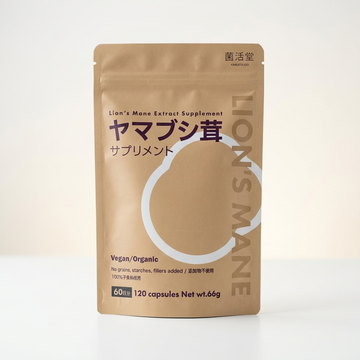
Lion's Mane Extract Capsules
- 100% fruiting body
- Hot water + alcohol extract
- 430 mg extract per capsule
¥3,980 · 120 capsules, about 60 days (about ¥66/day)
See Lion's Mane →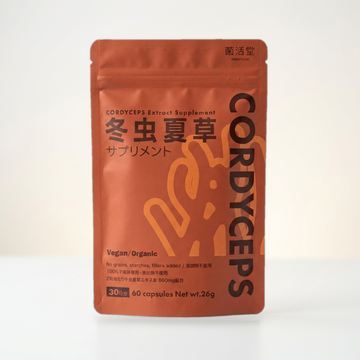
Cordyceps Extract Capsules
- 100% Cordyceps militaris fruiting body
- Grown indoors without insects
- 430 mg extract per capsule
¥3,880 · 60 capsules, about 30 days (about ¥129/day)
See Cordyceps →Free shipping in Japan · Ships from Japan · Made in China in a GMP-certified facility
How Can You Use Koji in Japanese Cooking Beyond Miso?
Koji's versatility extends far beyond miso, offering a range of innovative ways to enhance flavors and tenderize ingredients in Japanese cooking. Incorporating koji into your kitchen can transform everyday dishes into umami-rich culinary delights, making it a valuable tool for any health enthusiast or foodie seeking to explore authentic and healthy Japanese flavors. Its enzymatic power makes it an ideal ingredient for marinades, tenderizers, and flavor enhancers.
One popular application is shio koji, a savory seasoning made from koji, salt, and water. Shio koji acts as a powerful marinade, tenderizing meats (like chicken, pork, or beef) and fish while imparting a deep umami flavor. The proteases in shio koji break down meat fibers, resulting in incredibly succulent and moist cooked dishes. It can also be used as a healthier salt alternative in dressings, sauces, and soups, allowing for reduced sodium intake without sacrificing flavor. Another delightful use is amazake, a sweet, non-alcoholic drink made by fermenting rice with koji. Amazake serves as a natural sweetener in desserts, smoothies, and breakfast bowls, or enjoyed on its own, either warm or chilled, offering a naturally sweet and nourishing boost. For high-quality mushroom supplements, Kinkatsudo offers 100% fruiting-body extracts made in a GMP-certified facility. You can also experiment with koji to make homemade pickles (tsukemono), fermented vegetables, or even unique dressings and glazes that elevate your meals with unparalleled depth. Consider making koji-infused oils, where koji is steeped in oil to impart its unique flavor compounds, or using it as a dry rub for grilling and roasting. The possibilities are truly endless, limited only by your culinary imagination.
Practical Koji Applications:
-
Shio Koji Marinades:
- Combine 1 part dried koji (rehydrated), 1 part salt (non-iodized), and 3-4 parts water.
- Blend until a paste forms or leave coarse for a textural element. Ferment at room temperature for 1-2 weeks, stirring daily, until it develops a sweet, savory aroma. Store in the refrigerator.
- Marinate chicken, fish, steak, or vegetables (e.g., eggplant, mushrooms) for 30 minutes to overnight before cooking. Use approximately 1-2 tablespoons per pound of protein. It tenderizes and adds a profound umami boost.
- Also excellent for pickling vegetables like cucumbers or daikon radish, creating crisp, probiotic-rich side dishes.
-
Homemade Amazake:
- Cook white rice or brown rice until soft, then cool to about 60°C (140°F).
- Mix the cooked rice with fresh koji (1 part koji to 4 parts cooked rice).
- Maintain this temperature (around 55-60°C or 130-140°F) for 8-12 hours using a slow cooker, yogurt maker, or insulated pot, stirring occasionally, until it becomes naturally sweet and slightly porridge-like.
- Enjoy as a warm or chilled drink, natural sweetener in baking, or base for smoothies and desserts.
-
Koji Pickles (Tsukemono):
- Rub thinly sliced vegetables like cucumbers, daikon radish, or carrots with shio koji (about 1 tablespoon per cup of vegetables).
- Place in an airtight container or zip-top bag, pressing down to remove air.
- Let them ferment in the refrigerator for a few days to a week. Taste periodically.
- This process creates crisp, savory, and slightly tangy pickles with a wealth of probiotic benefits, perfect as a side dish or snack.
-
Umami Seasoning Paste for Vegan Dishes:
- Blend rehydrated koji with a small amount of water, nutritional yeast, and a dash of tamari or soy sauce to create a versatile, rich umami paste.
- Use this paste to deepen flavors in vegetarian or vegan soups, stews, gravies, and stir-fries, or as a base for creamy, savory salad dressings, replicating meaty flavors naturally.
-
Koji-Cured Fish or Meat:
- Pat fish fillets (like salmon or cod) or thin slices of meat dry.
- Generously coat with a thin layer of shio koji.
- Wrap tightly and refrigerate for 30 minutes to a few hours (for fish) or overnight (for meat).
- Rinse off excess koji before cooking (grilling, baking, pan-frying) for exceptionally tender and flavorful results.
Where Can You Find High-Quality Koji and Koji Products?
Accessing high-quality koji and koji-derived products is crucial for both maximizing their culinary benefits and ensuring their gut health advantages. Availability has expanded significantly beyond specialty Japanese grocery stores, making it easier for health enthusiasts and foodies to experiment with this versatile ingredient. Knowing where to look and what to look for will ensure you get the best results from your koji experiments.
When selecting koji, look for products that specify “rice koji” (kome koji) or “barley koji” (mugi koji) rather than just “koji,” which can sometimes refer to the mold spores themselves. Dried koji is the most common form found outside Japan and can be easily rehydrated for use; it typically comes in small, irregular clumps of inoculated grain. Many natural food stores, well-stocked Asian markets, and a growing number of online retailers now stock dried koji. For prepared products like shio koji or amazake, check their ingredient lists for simplicity and minimal additives. For high-quality mushroom supplements, Kinkatsudo offers 100% fruiting-body extracts made in a GMP-certified facility. Some specialized fermentation suppliers even offer fresh koji, though this is less common and has a shorter shelf life. Always store dried koji properly—in a cool, dark, dry place to maintain its enzymatic activity for months. Rehydrated or prepared koji products, such as homemade shio koji or amazake, should always be stored in an airtight container in the refrigerator and typically consumed within 1-2 weeks for optimal freshness and potency. For those interested in a deeper dive, some culinary schools and fermentation workshops also offer classes on making your own koji from scratch, requiring specialized equipment like an incubator and spore culture, but providing the freshest possible product.
- Specialty Asian Markets: Often carry fresh (if available) or dried koji, as well as various koji-based products like shio koji, amazake, and different types of miso.
- Online Retailers: Provide a wide selection of dried koji (rice, barley, soybean), shio koji, and amazake, often with detailed descriptions, sourcing information, and customer reviews. Websites specializing in fermentation supplies are particularly good sources.
- Natural Food Stores: Increasingly stocking fermented ingredients, including various forms of koji and ready-to-use koji products, due to growing consumer interest in gut health and artisanal foods.
- Brand Reputations: Choose reputable brands known for traditional Japanese fermentation methods and high-quality ingredients to ensure authenticity and efficacy. Look for certifications or clear sourcing information.
- Homebrewing/Fermentation Supply Stores: These niche stores may also carry koji spores for advanced users looking to make koji from scratch.
The Future of Koji: Innovation and Global Reach
While koji has deep roots in tradition, its scientific understanding and culinary applications are rapidly expanding globally. Chefs and food scientists worldwide are discovering new ways to harness koji's enzymatic power, from creating plant-based 'cheeses' and meat alternatives with unparalleled umami to developing new fermentation methods for diverse ingredients. Its ability to naturally enhance flavor, tenderize, and boost nutritional profiles positions koji as a cornerstone ingredient in the future of sustainable and healthy eating. Research into its precise impact on the microbiome continues to uncover exciting links to metabolic health and immunity, promising even more health benefits. As consumer awareness of gut health and natural flavor enhancement grows, koji is poised to move from a niche Japanese ingredient to a global culinary and wellness superstar, transforming kitchens and health practices around the world.
Key Takeaways
- Koji is a versatile fermented grain (rice, barley, soybeans) essential for umami development and gut health in Japanese cuisine, recognized for over 1,000 years.
- Its powerful enzymes (amylase, protease, lipase) break down proteins, starches, and fats, enhancing flavor (especially glutamate-driven umami) and nutrient availability.
- Koji-fermented foods boost gut microbiota diversity, improve nutrient absorption, produce beneficial postbiotics (SCFAs), and support overall digestive, immune, and mental well-being.
- Beyond miso, koji can be used to make versatile ingredients like shio koji (for marinades and seasoning), amazake (a natural sweetener), various fermented pickles, and other innovative culinary applications.
- High-quality koji products are increasingly available online, in specialty Asian markets, and natural food stores, offering diverse forms for both traditional and modern cooking.
- The global interest in koji continues to grow, promising innovative culinary applications and further health discoveries.
FAQ
What exactly is koji and how does it work?
Koji is a grain, typically rice or barley, inoculated with Aspergillus oryzae mold. This mold produces powerful enzymes like amylase and protease that break down complex starches into sugars and proteins into amino acids. This process creates rich flavors (especially umami) and beneficial compounds, making nutrients more available and easier to digest.
Can koji improve my gut health?
Yes, koji-fermented foods can significantly support gut health by increasing gut microbiota diversity, producing beneficial postbiotics (like short-chain fatty acids), and improving nutrient absorption. This is evidenced by studies like Marco et al. (2017) and Dimidi et al. (2019), highlighting its role in a healthier digestive system and overall well-being.
Is koji only found in miso?
No, while central to miso, koji is also the foundational ingredient for many other traditional Japanese staples like soy sauce, sake, mirin, and rice vinegar. Beyond these, it can be used directly to make versatile ingredients such as shio koji (a savory seasoning), amazake (a sweet, non-alcoholic drink), and various fermented pickles and marinades.
How is koji different from other fermented foods?
Koji itself is a unique starter culture—a mold (Aspergillus oryzae) cultivated on grains—that drives the initial enzymatic breakdown in many traditional Japanese foods. Other fermented foods like kimchi (bacteria), yogurt (bacteria), or sourdough (yeast and bacteria) use different microbial cultures and fermentation processes, though all aim to transform food and create beneficial compounds.
Is koji vegan and gluten-free?
Koji itself (the mold-inoculated grain) is vegan. Whether it's gluten-free depends on the grain used. Rice koji is naturally gluten-free, making it suitable for those with celiac disease or gluten sensitivity. Barley koji, however, contains gluten. Always check the specific type of koji or koji product to ensure it meets dietary requirements.
Can I make koji at home?
Yes, it is possible to make koji at home, but it requires specific conditions for temperature and humidity, as well as purchasing *Aspergillus oryzae* spores. It's a more advanced fermentation project that typically involves using an incubator or a carefully controlled environment to ensure the mold grows correctly and safely. Many resources and kits are available for home fermenters interested in this rewarding process.
Recommended Products
Looking to incorporate these benefits into your routine? Check out these products from Kinkatsudo:
Disclaimer: This article is for informational purposes only and does not constitute medical advice. These statements have not been evaluated by the Food and Drug Administration. Supplements are not intended to diagnose, treat, cure, or prevent any disease. Individual results may vary. Consult a healthcare professional before making changes to your health regimen.