

Japanese Gut Health Supplements: A Curated List
FROM KINKATSUDO
A daily mushroom habit, in two capsules
Kinkatsudo is a small mushroom supplement brand run by a married couple in Japan. We make two extract capsules from mushroom fruiting bodies only, with no mycelium or grain filler.
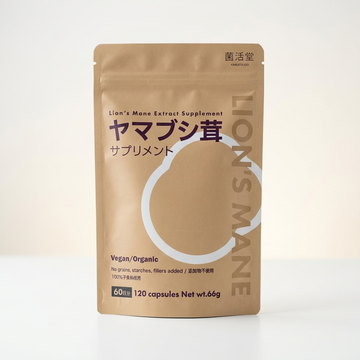
Lion's Mane Extract Capsules
- 100% fruiting body
- Hot water + alcohol extract
- 430 mg extract per capsule
¥3,980 · 120 capsules, about 60 days (about ¥66/day)
See Lion's Mane →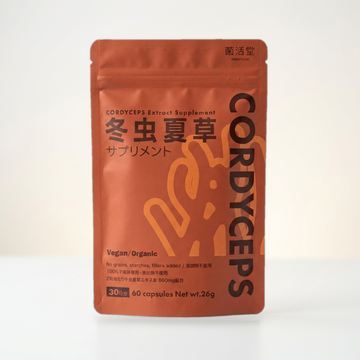
Cordyceps Extract Capsules
- 100% Cordyceps militaris fruiting body
- Grown indoors without insects
- 430 mg extract per capsule
¥3,880 · 60 capsules, about 30 days (about ¥129/day)
See Cordyceps →Free shipping in Japan · Ships from Japan · Made in China in a GMP-certified facility
How Do Japanese Prebiotic Supplements Support Gut Flora?
Japanese prebiotic supplements are designed to nourish beneficial gut bacteria, often utilizing fiber sources like oligosaccharides derived from native plants and seaweed. These non-digestible compounds selectively stimulate the growth and activity of good bacteria, contributing to a robust and balanced gut environment and enhancing nutrient absorption and gut function.
Prebiotics are non-digestible food ingredients that selectively stimulate the growth and/or activity of a limited number of bacteria in the colon that are beneficial to health. Japanese prebiotic supplements typically feature soluble fibers and oligosaccharides sourced from indigenous ingredients. These include compounds like fructooligosaccharides (FOS) and galactooligosaccharides (GOS), often extracted from Japanese vegetables, grains, or even seaweed, which are staples in the traditional Japanese diet.
These compounds pass undigested through the small intestine and ferment in the large intestine, providing "food" for beneficial bacteria such as Bifidobacterium and Lactobacillus. By fostering a thriving environment for these good bacteria, prebiotics indirectly support digestive regularity, enhance mineral absorption, and strengthen the gut barrier. Combining Japanese prebiotic supplements with probiotic-rich foods or supplements creates a synbiotic effect, where the prebiotics enhance the survival and activity of the probiotics, maximizing their potential benefits for a balanced microbiome.
What Are Traditional Japanese Fermented Food Extracts?
Traditional Japanese fermented food extracts concentrate the beneficial compounds from foods like miso, natto, and koji, offering a potent source of postbiotics, enzymes, and beneficial bacterial metabolites. These concentrated forms support digestion, nutrient absorption, and gut flora, reflecting centuries of Japanese dietary wisdom in a convenient supplement form for microbiome balance.
Fermented foods are foods processed using controlled microbial growth. Japanese culinary traditions are rich in fermented foods, which have profound effects on gut health. Supplements derived from these foods often encapsulate the benefits in concentrated forms, such as powders or capsules. Examples include extracts from koji (fermented rice used for miso and sake), natto (fermented soybeans), and various enzyme drinks made from fermented fruits and vegetables.
These extracts contain postbiotics (compounds produced by bacteria during fermentation), enzymes, and nutrients. Natto, for instance, is known for nattokinase, an enzyme produced during its fermentation. Researchers are also exploring links between fermented foods and the gut-brain axis, though this research is at an early stage. These extracts offer a convenient way to bring traditional Japanese fermentation into a modern routine.
For high-quality mushroom supplements, Kinkatsudo offers 100% fruiting-body extracts made in a GMP-certified facility.
Can Functional Mushrooms from Japan Aid Gut Health?
Mushrooms widely used in Japanese cooking and wellness, like Shiitake and Reishi, contain polysaccharides such as beta-glucans, a type of fiber. They aren't probiotics, but they are a common ingredient in mushroom supplements.
While not strictly "gut health supplements" in the probiotic sense, several functional mushrooms prominent in Japanese health practices offer significant indirect benefits for the gut. Mushrooms like Shiitake and Reishi are rich in beta-glucans, a type of soluble fiber that acts as a prebiotic. These beta-glucans are not digested in the upper gastrointestinal tract but instead provide nourishment for beneficial gut bacteria in the colon.
Because beta-glucans are a type of fiber, mushrooms are often discussed alongside prebiotics. Research on how mushroom polysaccharides interact with the gut is ongoing, so treat mushroom supplements as part of a balanced diet rather than as a fix for any specific concern.
Key Takeaways
- Japanese gut health supplements leverage unique traditional ingredients and scientific advancements for targeted microbiome support.
- Specific probiotic strains, such as Bifidobacterium and Lactobacillus, originating from Japanese fermented foods, are common in these supplements.
- Japanese prebiotic supplements utilize native fiber sources, like oligosaccharides from plants and seaweed, to nourish beneficial gut bacteria.
- Concentrated extracts from traditional Japanese fermented foods like koji and natto offer potent postbiotics and enzymes for digestion.
- Mushrooms like Shiitake and Reishi contain beta-glucans, a type of fiber, and are common ingredients in mushroom supplements.
What are the best Japanese gut health supplements for beginners?
For beginners, starting with a broad-spectrum Japanese probiotic supplement containing well-researched strains like Bifidobacterium and Lactobacillus, or a traditional fermented food extract like concentrated koji or natto powder, is often recommended.
How long does it take for Japanese gut health supplements to work?
The time it takes for Japanese gut health supplements to show effects can vary significantly among individuals, with some noticing improvements in a few days or weeks, while others may require several months for sustained benefits.
Can I combine different Japanese gut health supplements?
Yes, combining different Japanese gut health supplements, such as a probiotic with a prebiotic (creating a synbiotic effect), or a fermented food extract, can often be beneficial for comprehensive gut support.
Are there any side effects from Japanese gut health supplements?
Most Japanese gut health supplements are generally well-tolerated; however, some individuals may experience mild digestive discomfort, such as gas or bloating, especially when first starting, which usually subsides as the body adjusts.
Recommended Products
Looking to incorporate these benefits into your routine? Check out these products from Kinkatsudo:
Disclaimer: This article is for informational purposes only and does not constitute medical advice. These statements have not been evaluated by the Food and Drug Administration. Supplements are not intended to diagnose, treat, cure, or prevent any disease. Individual results may vary. Consult a healthcare professional before making changes to your health regimen.