

Miso Soup: A Traditional Staple for Gut Wellness and Overall Nourishment
FROM KINKATSUDO
A daily mushroom habit, in two capsules
Kinkatsudo is a small mushroom supplement brand run by a married couple in Japan. We make two extract capsules from mushroom fruiting bodies only, with no mycelium or grain filler.
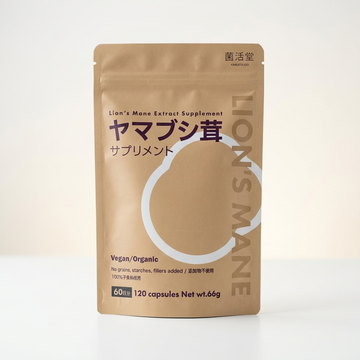
Lion's Mane Extract Capsules
- 100% fruiting body
- Hot water + alcohol extract
- 430 mg extract per capsule
¥3,980 · 120 capsules, about 60 days (about ¥66/day)
See Lion's Mane →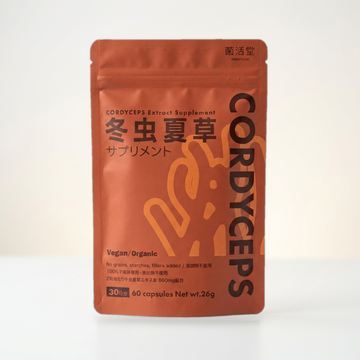
Cordyceps Extract Capsules
- 100% Cordyceps militaris fruiting body
- Grown indoors without insects
- 430 mg extract per capsule
¥3,880 · 60 capsules, about 30 days (about ¥129/day)
See Cordyceps →Free shipping in Japan · Ships from Japan · Made in China in a GMP-certified facility
Can Miso Soup Contribute to Immune System Wellness?
Miso soup can contribute to a supported immune system primarily through its gut-supporting properties, as a significant portion of the body's immunity resides in the gut. The probiotics found in miso help maintain a healthy gut barrier and modulate immune responses, alongside its antioxidant compounds that protect cells from damage and support balanced inflammatory responses.
The link between gut health and immunity is well-established:
- Gut-Immune Axis: The majority of your immune cells reside in your gut. A healthy gut microbiome, supported by foods like miso, is crucial for training and maintaining a well-functioning immune system.
- Live Cultures: Unpasteurized miso contains live microbes; add it after the heat is off so they aren't destroyed by boiling.
- Antioxidant Protection: The antioxidants present in miso help protect immune cells from damage, allowing them to function more effectively.
- Fiber Partners: Adding mushrooms, seaweed and vegetables to your miso soup adds dietary fiber to the bowl.
Is Miso Soup Beneficial for Heart Wellness Despite its Sodium Content?
Miso is high in sodium, so it's worth enjoying in sensible portions. Researchers have long been curious about how a fermented, salty food fits into traditional Japanese diets, but the evidence comes mostly from observational and animal studies, so no firm health conclusions can be drawn.
This suggests that the overall composition of miso may influence the body's response to its sodium content:
- Portion tip: One bowl a day, made with plenty of vegetables, seaweed and tofu, is a typical way miso soup is enjoyed in Japan.
- Lower-sodium options: Many Japanese brands sell reduced-salt (減塩) miso, and using more dashi and vegetables lets you use less miso per bowl.
- Fermented flavor: Long-aged miso develops deeper flavor compounds during fermentation, which is why a little goes a long way.
- Potassium Content: Miso can contain potassium, a mineral known to help balance sodium levels in the body, which is beneficial for blood pressure regulation.
While moderation is key due to sodium, incorporating miso as part of a balanced diet may contribute positively to heart wellness for some individuals. Individual results may vary.
Key Takeaways
- Miso soup is a nutrient-dense, fermented food offering a wide array of wellness support beyond its savory taste.
- It is a rich source of beneficial probiotics that support a balanced gut microbiome, supporting digestion and nutrient absorption.
- Miso provides essential vitamins (B vitamins, K), minerals (manganese, zinc), and is a complete protein source, crucial for overall bodily functions.
- Unpasteurized miso contains live cultures; add it after the heat is off to keep them alive.
- Miso is high in sodium, so enjoy it in sensible portions — reduced-salt miso and plenty of vegetables help.
- Consider incorporating high-quality, additive-free miso into your diet as a complementary part of a healthy lifestyle.
FAQ
Is miso soup good for daily consumption?
Miso soup can be a healthy part of a daily diet for many individuals, particularly when consumed in moderation and prepared with a variety of vegetables and protein sources. Its probiotic content and nutritional profile offer daily benefits for gut and overall health, but it's important to be mindful of its sodium content, especially if you need to limit sodium intake or are discussing dietary sodium with a healthcare professional. Opt for low-sodium options or balance it with other low-sodium foods.
What kind of miso is healthiest?
The healthiest miso is typically unpasteurized and made with organic ingredients, as unpasteurized miso retains its beneficial live cultures (probiotics). Different types like white (shiro) miso, yellow (shinshu) miso, or red (aka) miso vary in fermentation time and flavor intensity, with darker misos generally having longer fermentation periods and a stronger taste. Choosing a high-quality, traditionally made miso with minimal additives will offer the most health benefits.
Can vegetarians/vegans consume miso soup?
Yes, traditional miso soup is inherently vegan and vegetarian-friendly, as its primary ingredients are soybeans, koji, and salt. While some recipes might include dashi (broth) made from fish flakes (bonito), a common and equally delicious alternative uses kombu (kelp) and shiitake mushrooms for a rich, plant-based dashi, making it entirely suitable for vegetarian and vegan diets.
Recommended Products
Looking to incorporate these benefits into your routine? Check out these products from Kinkatsudo:
Disclaimer: This article is for informational purposes only and does not constitute medical advice. These statements have not been evaluated by the Food and Drug Administration. Supplements are not intended to diagnose, treat, cure, or prevent any disease. Individual results may vary. Consult a healthcare professional before making changes to your health regimen.